
Land Development Plans That Support Approvals
Subdivision Plans in Hopedale for residential and commercial lot creation
Dividing a single parcel into multiple buildable lots requires detailed planning, accurate mapping, and coordination with municipal officials to meet zoning, access, and infrastructure requirements. Subdivision plans prepared by A. S. Elliott & Associates document proposed lot layouts, boundary dimensions, road access, utility corridors, and compliance with local land use regulations in Hopedale. The plans guide the approval process through planning boards and town commissions, ensuring that proposals meet technical standards before construction or lot sales can proceed.
The subdivision planning process begins with boundary research to confirm the parent parcel's legal description and dimensions, followed by site evaluation to identify topography, wetlands, existing easements, and other constraints that affect lot layout. Proposed lot lines are drafted to meet minimum frontage, area, and setback requirements established by local zoning bylaws. The plans also show how each lot will connect to public or private roads and how stormwater, sewer, and utilities will be extended or connected.
Schedule a project consultation to review your development goals and the requirements for subdivision approval in Hopedale.
Our Services
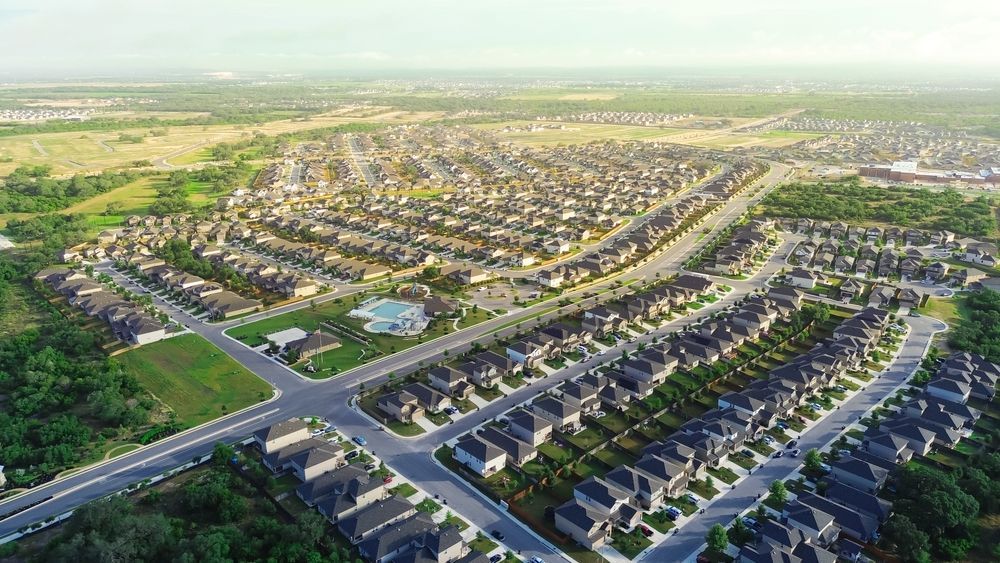
What Proper Subdivision Planning Requires
A. S. Elliott & Associates coordinates with civil engineers, environmental consultants, and municipal planning staff to address technical questions and refine lot configurations during the review process. The plans include dimensioned lot boundaries, access easements, sight line profiles for roadway safety, and notation of protected resource areas that must remain undisturbed. Each revision submitted to planning boards incorporates feedback from public hearings and technical review comments, moving the project toward final approval and recordable plan endorsement.
Once the subdivision plan receives final approval and is recorded at the registry of deeds, the individual lots are recognized as separate parcels that can be sold, financed, and developed independently. Property owners receive a legally defensible lot layout that satisfies local regulations and provides clear boundaries for future construction. Developers can proceed with infrastructure installation, utilities, and building permits knowing that the land division has been formally accepted by municipal authorities.
Subdivision plans apply to residential estate divisions, multi-lot housing developments, commercial property splits, and family land transfers where formal lot creation is required for financing or sale. The level of detail and engineering coordination varies depending on whether the project involves a simple two-lot division on an existing road or a more complex development requiring new infrastructure, drainage design, and environmental permitting.
Common Questions About Subdivision Projects
Property owners and developers often have questions about the subdivision process and what documentation planning boards require.
What makes a subdivision plan different from a boundary survey?
A boundary survey establishes existing property lines, while a subdivision plan proposes new lot lines that divide a parcel into multiple buildable lots, requiring municipal approval and compliance with zoning and land use regulations before the division is legally recognized.
How long does the subdivision approval process take?
The timeline depends on the complexity of the project and local review procedures, with simple two-lot divisions often taking a few months and larger developments requiring multiple hearings, revisions, and coordination with engineering and environmental reviews that can extend the process to a year or more.
What site constraints affect lot layout?
Wetlands, steep slopes, existing easements, minimum frontage requirements, setback rules, soil suitability for septic systems, and access to public roads all influence how lots can be configured and how many buildable parcels can be created from the parent parcel.
Who needs to be involved during the planning phase?
Subdivision projects typically require coordination among the surveyor, civil engineer, wetlands consultant, municipal planning staff, and sometimes traffic engineers or utility providers, depending on the scale and infrastructure needs of the development.
What happens after the plan is approved and recorded?
The individual lots become legally separate parcels that can be sold, financed, and developed independently, with boundaries established by the recorded subdivision plan that serves as the legal description for future deeds and title work.
A. S. Elliott & Associates supports subdivision planning for residential and commercial development projects in Hopedale, from initial concept through final approval and plan recording. Contact the firm to discuss how your property can be subdivided and what steps are required for municipal approval.