
Transaction Clarity Through Standardized Boundary Documentation
ALTA/ASCM Land Title Surveys in Hopedale for commercial real estate acquisitions and financing
Commercial real estate transactions depend on knowing exactly what's being purchased, financed, or developed, which means identifying boundary locations, easements, encroachments, and improvements before closing. ALTA/ASCM land title surveys provide that information in a standardized format recognized by title companies, lenders, and legal professionals across Hopedale and throughout Massachusetts. A. S. Elliott & Associates prepares these surveys to meet the detailed requirements established by the American Land Title Association and the National Society of Professional Surveyors, ensuring that all parties to a transaction work from the same verified understanding of property conditions.
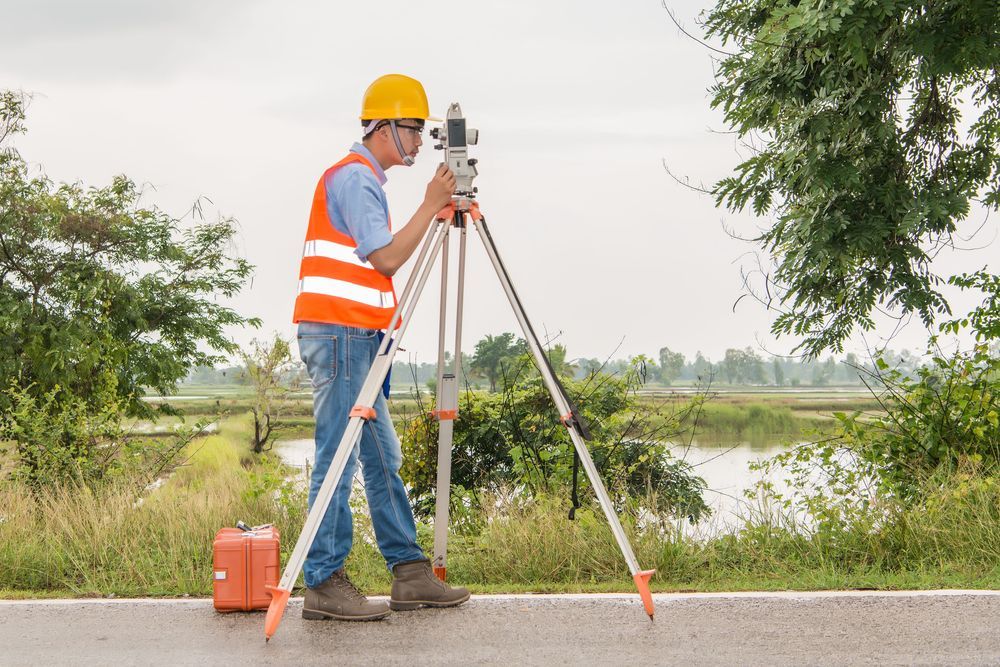
The survey combines field verification with extensive records research to document property boundaries, physical improvements, access rights, and any conditions that could affect title insurability or development feasibility. Surveyors locate and map all structures, paved areas, utilities, and site features, then compare findings against recorded easements, restrictions, and encumbrances identified through title research. When discrepancies appear between what's on the ground and what's in public records, those conflicts surface during the survey process rather than after closing, giving buyers, sellers, and lenders the opportunity to address issues or adjust terms before funds change hands.
Schedule a consultation to review survey requirements for your transaction timeline and financing conditions.
Our Services
Why Commercial Transactions Require This Level of Detail
ALTA/ASCM surveys follow a detailed checklist of standard items, with optional elements added based on lender requirements or due diligence needs. Field crews establish boundary corners through monumentation, measure building locations and dimensions, identify parking counts and striping, locate utilities visible at the surface, and document access points and curb cuts. The deliverable includes a scaled drawing with a comprehensive legend, a certification statement addressing specific concerns identified by the title company, and a surveyor's opinion regarding encroachments, gaps, or overlaps that could affect ownership rights.
Once the survey is complete, title insurers reference it to identify exceptions they'll exclude from coverage, lenders verify that collateral matches loan descriptions and that no unauthorized encroachments diminish property value, and buyers understand exactly what they're acquiring and whether existing improvements comply with current zoning. Legal teams use the survey to draft purchase agreements that accurately describe the property and address any easement or encroachment issues before they become post-closing disputes. The standardized format means that professionals across the transaction can interpret the information consistently without needing clarification calls or supplemental documentation.
The survey documents conditions observed during fieldwork and recorded information available at the time of research; it does not determine legal ownership, resolve title defects, or certify compliance with environmental regulations unless those services are specifically added to the scope. Hidden conditions such as subsurface easements or unrecorded agreements may not appear unless supporting documentation is provided during the research phase. Coordination with title companies and attorneys during the survey process ensures that the final deliverable addresses the specific concerns relevant to your transaction.
Answers to Questions About Title Surveys
Buyers, lenders, and legal professionals involved in commercial transactions often need clarity on what title surveys reveal and how they're used.
What does ALTA/ASCM certification mean for the survey?
Certification indicates that the survey meets the national standards jointly developed by title insurers and surveyors, covering specific boundary, improvement, and easement items that lenders and title companies require to assess risk and issue policies.
How does the survey differ from a standard boundary survey?
ALTA/ASCM surveys include additional research into recorded easements, restrictions, and encumbrances, more detailed mapping of site improvements and utilities, parking and access documentation, and a certification format that addresses title insurance concerns not typically covered in residential boundary surveys.
When should the survey be ordered during a transaction?
Surveys are typically ordered during the due diligence period after a purchase agreement is signed, with the timeline coordinated to ensure results are available before financing commitments are finalized and title policies are issued.
What optional items might a lender require beyond the standard checklist?
Common additions include zoning compliance verification, flood zone determinations, wetland delineation, height measurements of structures, and square footage calculations for buildings, depending on property type and loan conditions.
How do Massachusetts recording practices in Hopedale affect survey research?
Registry of deeds records in Worcester County contain the easement and boundary information surveyors research during title survey preparation, and the completeness of those records directly affects the survey's ability to identify all encumbrances without additional deed searches or legal interpretation.
A. S. Elliott & Associates coordinates with your title company, lender, and legal team throughout the survey process to ensure deliverables align with transaction requirements and closing schedules. Contact the office to discuss the scope and timeline for your commercial property survey needs.